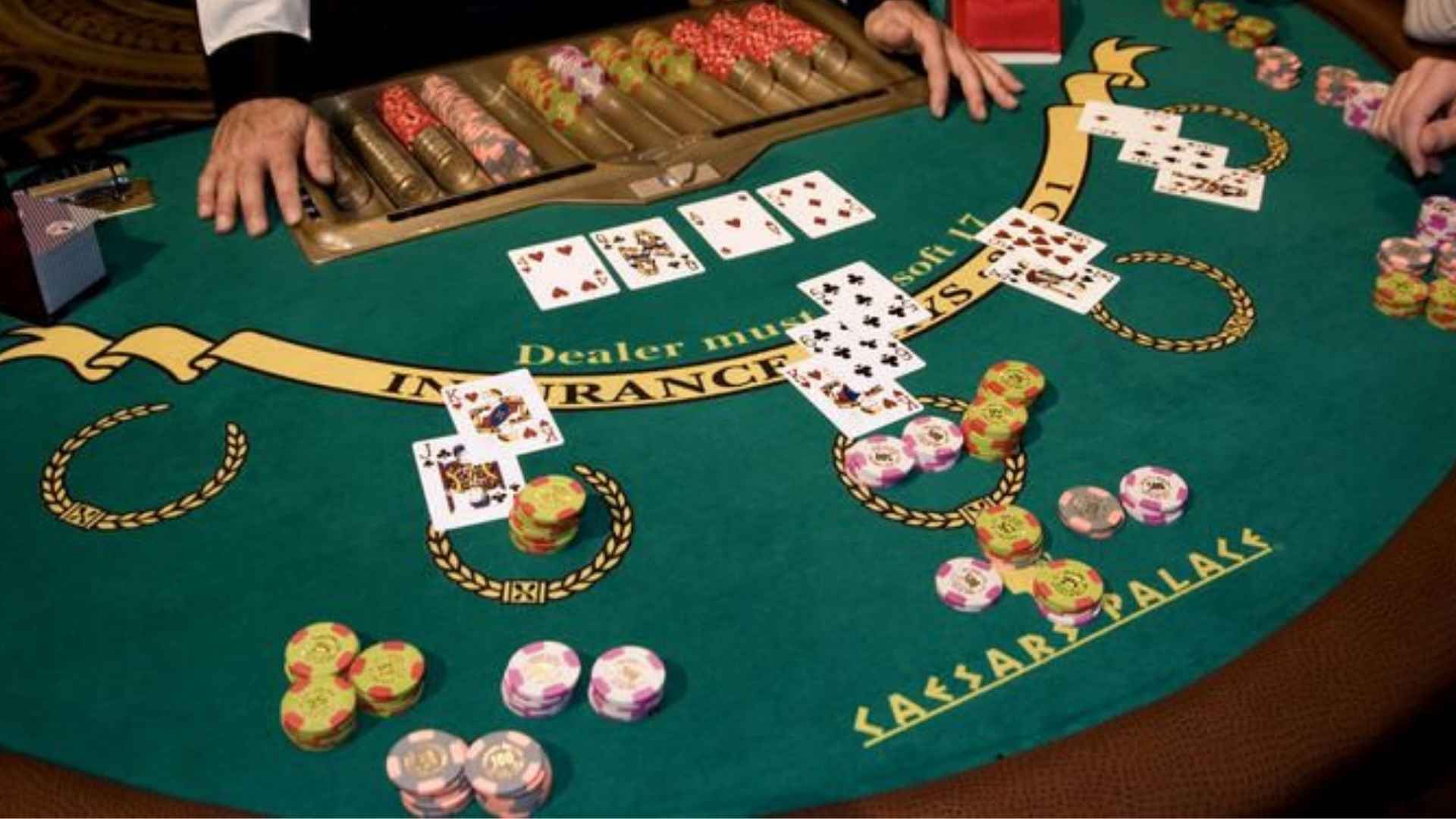
Table games have captivated minds for generations, offering a rich tapestry of tactical choices and intellectual engagement that few other pastimes can match. Unlike activities that rely purely on chance, these games invite players to actively shape their own destiny through foresight, probability calculation, and psychological depth. Diving into this world reveals a space where every move carries weight and every decision opens up a new path to victory.
The Core of Strategic Decision Making
At the heart of every great tabletop experience lies the concept of meaningful player agency. Whether you are navigating the complex coordinates of a chessboard or managing your hand in a card game, you are constantly solving dynamic puzzles. This continuous mental exercise not only keeps the gameplay exciting but also sharpens your real-world analytical skills over time.
Furthermore, the beauty of these systems is that they accommodate a vast range of individual playstyles. Creative risk-takers and cautious strategists can face off on the exact same board, using completely different philosophies to achieve the same ultimate goal. This diversity of approach ensures that no two matches ever play out in the exact same way.
Probability and Mathematical Discipline
Many popular card games are built on a foundation of mathematical probability rather than mere luck. Successful players understand that mastering the basic mathematics of a game dramatically reduces the element of uncertainty. By calculating pot odds, tracking remaining cards, and understanding the statistical house edge, you can make highly objective choices even under intense pressure.
Developing this disciplined approach requires patience and a willingness to study standard strategy charts before testing your skills. For those looking to transition these strategic concepts into a sports-themed digital environment, utilizing a reliable M88 Sport login provides an excellent gateway to explore dynamic analytical options. Combining mathematical discipline with sports analysis adds an entirely new layer of excitement to traditional gaming habits.
The Human Element and Psychological Tactics
Beyond numbers and mechanics, table games are deeply defined by the social and psychological interactions between the people around the board. Reading your opponent's subtle physical cues, managing your own emotional responses, and executing a well-timed bluff are crucial aspects of high-level play. This human element introduces a layer of beautiful complexity that computer algorithms simply cannot replicate.
Learning to anticipate what another person will do based on their past behavior is a highly rewarding cognitive challenge. It fosters a deep sense of empathy and observation, as you must temporarily step inside your opponent's mind to decode their strategy. Ultimately, winning a battle of wits through psychological positioning feels incredibly satisfying.
Building Long Term Tactical Expertise
Mastering these timeless challenges is a continuous journey of self-improvement that extends far beyond a single evening of entertainment. Veteran players treat each defeat as a valuable learning opportunity, analyzing their mistakes to refine their future decision-making processes. This growth-oriented mindset is what transforms casual enthusiasts into true tabletop experts.
By embracing the endless depth of strategic table gaming, you open the door to a hobby that remains intellectually stimulating for a lifetime. The combinations are infinite, the community is welcoming, and the mental rewards are absolutely undeniable.